
Diversification away from concentrated US technology exposure and towards Europe, Japan, the Pacific and emerging markets was implemented earlier this year. The broadening out of the AI investment theme, more attractive valuation levels outside the US, and greater opportunities for value-oriented investing suggested that a more internationally diversified approach could offer better risk-adjusted returns compared with the high levels of concentration within US equity markets.
However, recent developments in the Middle East since the beginning of March have introduced additional uncertainty into global markets. While our focus here is on the market implications, we also recognise the human consequences of the conflict.
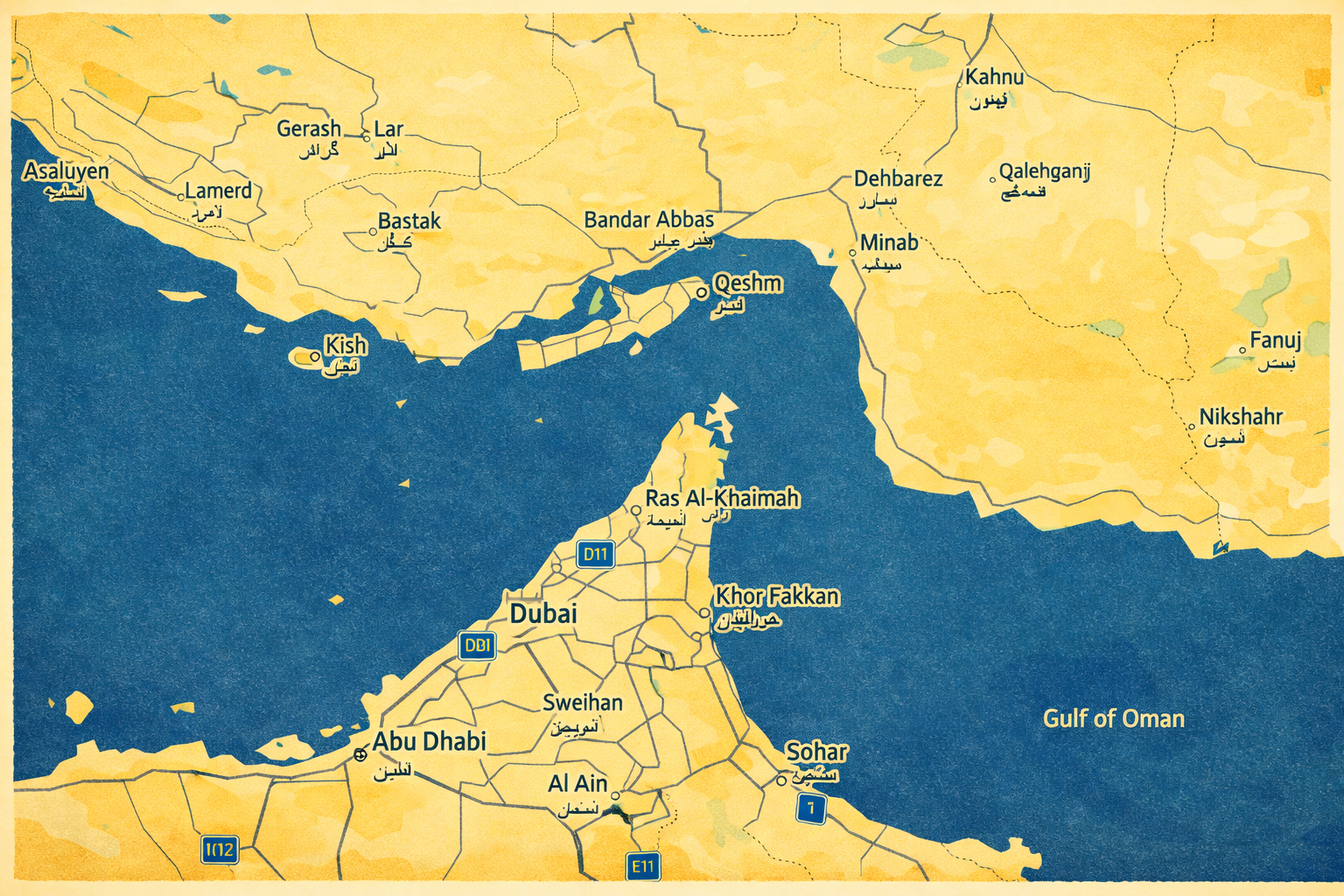
Energy markets experienced increased volatility as concerns emerged around potential disruption to oil supply routes through the Strait of Hormuz, through which approximately 20% of global oil flows. This has prompted markets to reassess the outlook for global inflation and economic growth.
While geopolitical events can influence short-term market movements, portfolio positioning is driven primarily by observable changes in market trends, inflation expectations and asset price behaviour.
As trend-following portfolios, allocations are assessed daily against evolving market trends and expectations. Recent price movements and inflation expectations have prompted a slight reduction in overall portfolio risk while the outlook becomes clearer.
Several international equity regions, including Japan, emerging markets, Asia and parts of Europe, are particularly sensitive to sustained increases in energy prices due to their reliance on imported oil. These were also areas where the portfolios had modest overweight positions following strong performance throughout 2025 and into early 2026. As a result, exposure to these regions has been modestly reduced.
Traditional safe-haven assets also have not behaved as expected. Following the sharp rise in gold prices in recent months, gold has not acted as a diversifier during this period of uncertainty. Instead, recent price movements appear to reflect shorter-term positioning. Due to the increased volatility and current negative trends, we have decided to exit our gold position within the trend-following portfolios until the price and outlook stabilise.
Government bond yields have also moved higher as markets reassessed the inflation outlook, reflecting the possibility that central banks may delay the pace of interest rate cuts while they assess the economic impact of rising energy prices. This has increased the risk to longer-duration bonds, and we have therefore reduced both longer-dated and some shorter-dated bond exposure in favour of increased allocations to money market instruments.
Money market funds currently offer attractive yields while providing greater capital stability during periods of market uncertainty. This adjustment allows portfolios to preserve capital and reduce volatility while we assess whether current market movements represent a temporary shock or the start of a more sustained trend.
The US market is somewhat less exposed to energy supply disruption given its position as a net energy producer. While higher oil prices still influence inflation expectations and therefore economic activity within the US, we have not made any changes to our US equity allocations at this stage as the short-term impact is not yet as clear.
Market reactions during periods of geopolitical tension can often be sharp but short-lived, and relatively difficult for trends to identify. Although we have made some moderate adjustments, it remains too early to determine whether the duration of the conflict and disruption to oil supply will lead to sustained changes in economic conditions or market trends.
Given the continued uncertainty surrounding energy markets and inflation expectations, we believe a modest reduction in risk within the portfolios is appropriate in the short term.
As always, we will continue to monitor market conditions closely and will adjust allocations as trends and the economic outlook evolve.